Biography
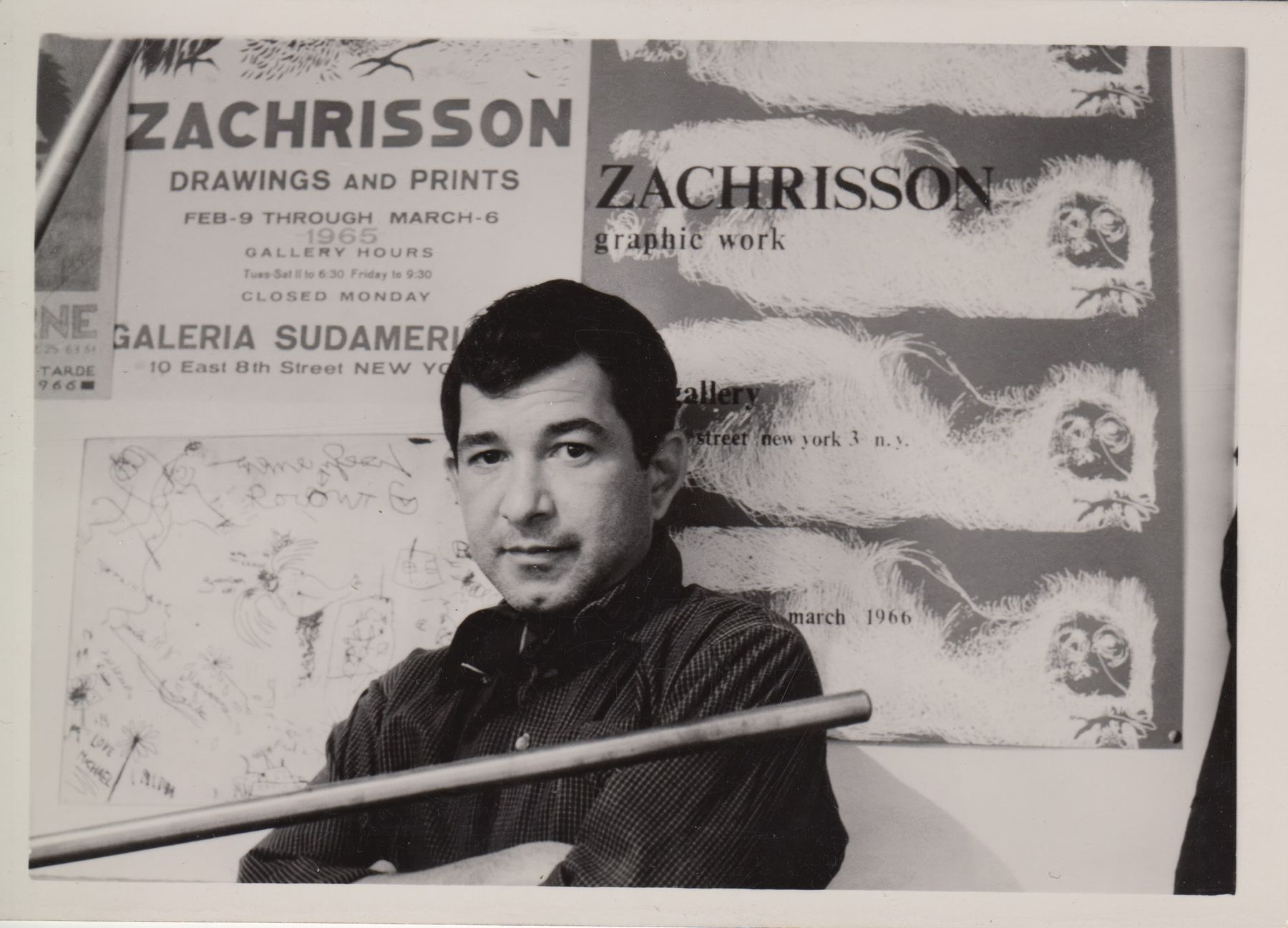
Julio Zachrisson was born in Panama City in 1927. He took his first art classes at the Escuela Nacional de Pintura in Panama, under Juan Manuel Cedeño.
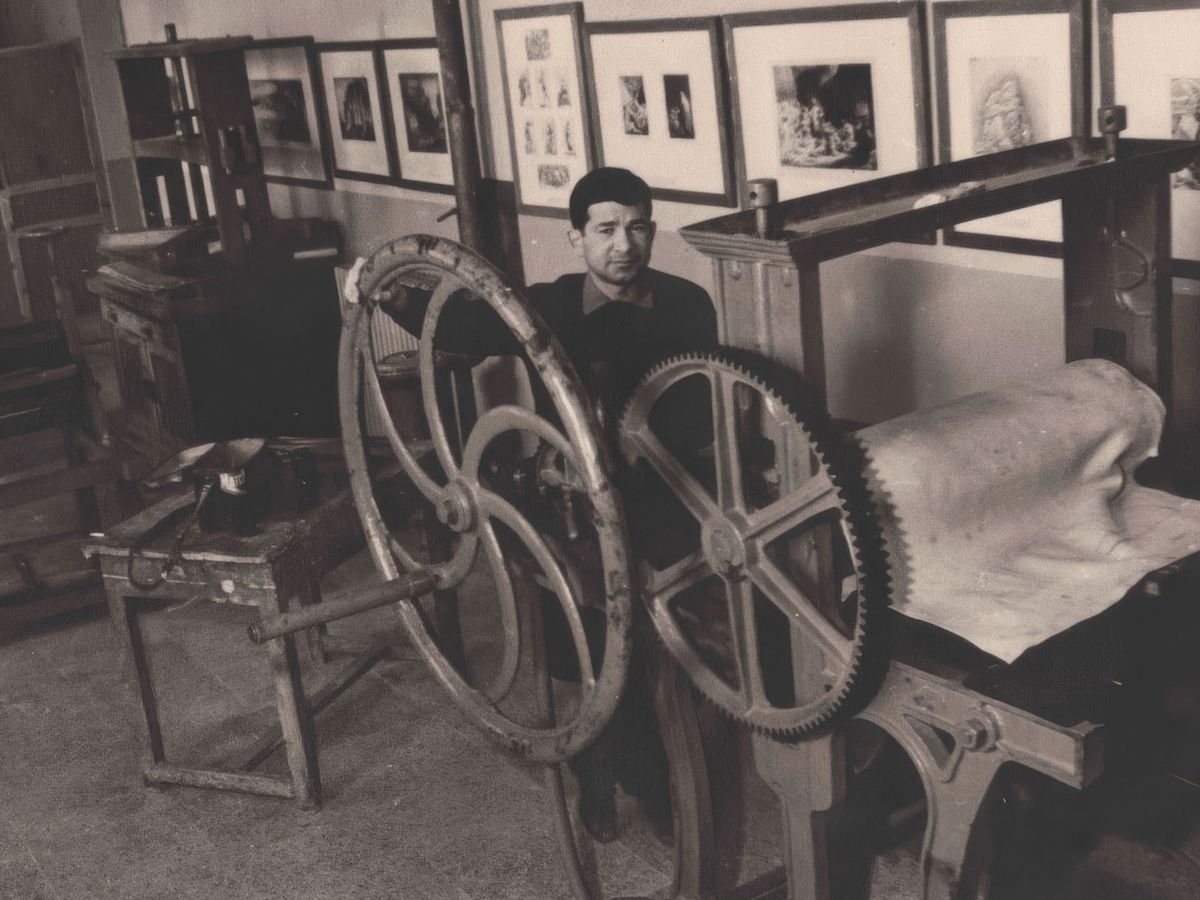
Around 1953 he set out through Central America (he exhibited in Guatemala) on his way to Mexico, where he trained for almost eight years: at the “La Esmeralda” school and in the printmaking workshop of Isidoro Ocampo, heir to the tradition of José Guadalupe Posada. There he came to know Mexican muralism and artists such as José Luis Cuevas, and discovered Goya, an affinity that would mark all of his work.
In 1959 he traveled to Europe and worked at the Accademia Pietro Vannucci in Perugia. In 1960 he had his first solo exhibition at the University of Panama, and around 1961 he settled in Madrid, where he enrolled as an auditing student at the Real Academia de Bellas Artes de San Fernando. Living from 1965 across from the Las Ventas bullring, he made printmaking his central language.
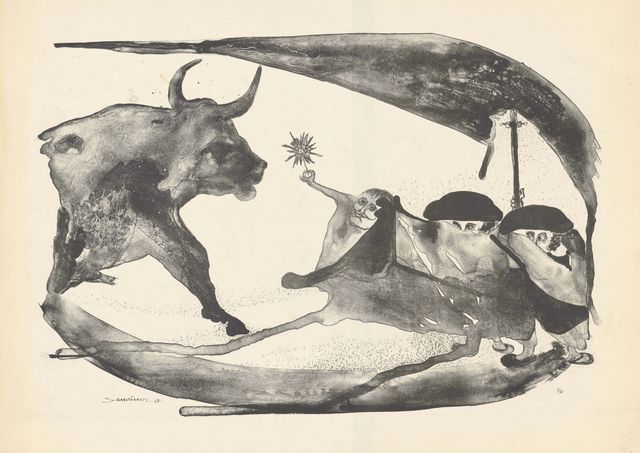
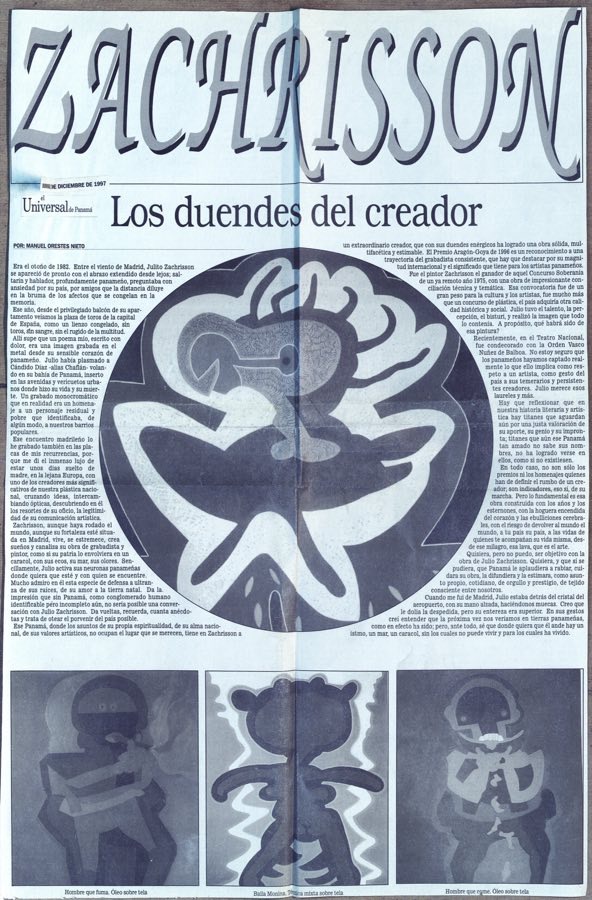
His work is a world peopled by goblins, witches, bulls and masks: bullfighting always told from the bull’s side, Panamanian history (Panamá 9 de enero, Panamá 20 de diciembre, Guanahaní 1492), mythology, the circus, and a black humor that critics tied again and again to Goya’s Caprichos and to Bosch.
He received the prize of the National Printmaking Competition of the San Fernando Academy (1993) and the Aragón-Goya Prize (1996), among many others. His work is held by MoMA and the Metropolitan Museum in New York, the Reina Sofía, the Biblioteca Nacional de España and the Smithsonian. In 2019 he donated all of his copper plates to the Calcografía Nacional, where they are kept alongside Goya’s plates.
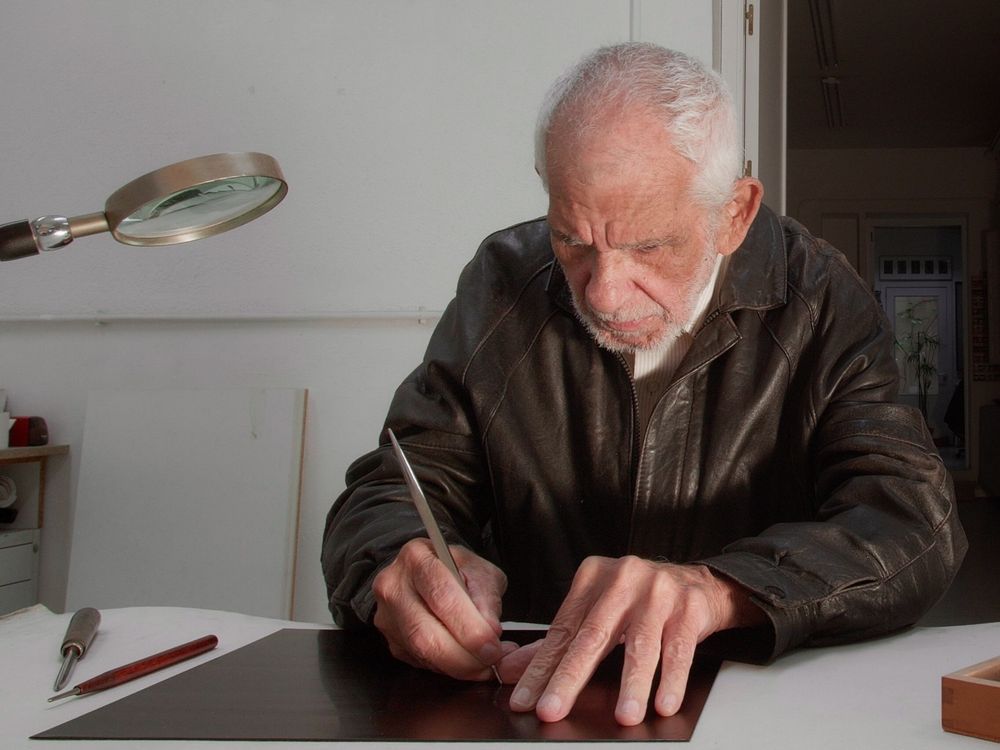
He lost his sight to glaucoma around 2013 and went on thinking through his work until the end. He died on December 18, 2021, ten days after his wife, the writer Marisé Torrente Malvido. The following year the MAC Panamá received, by bequest, more than 400 works and sketches: the largest body of his work went back to the city where he was born.
The work
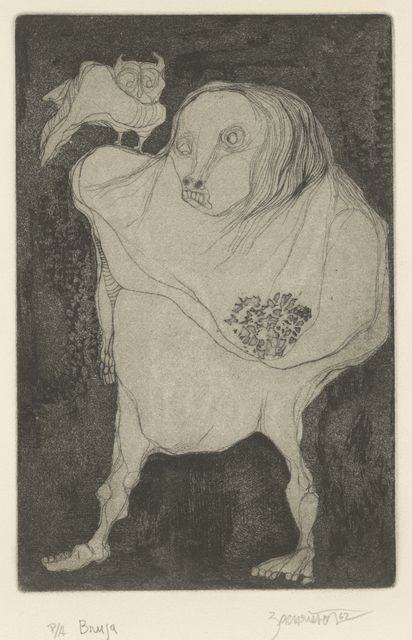
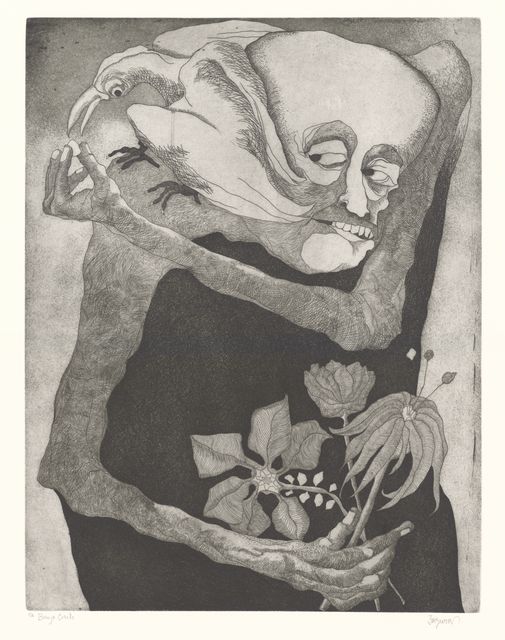
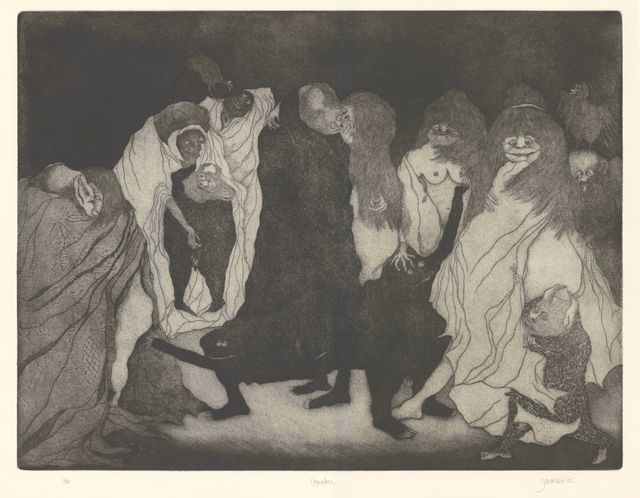
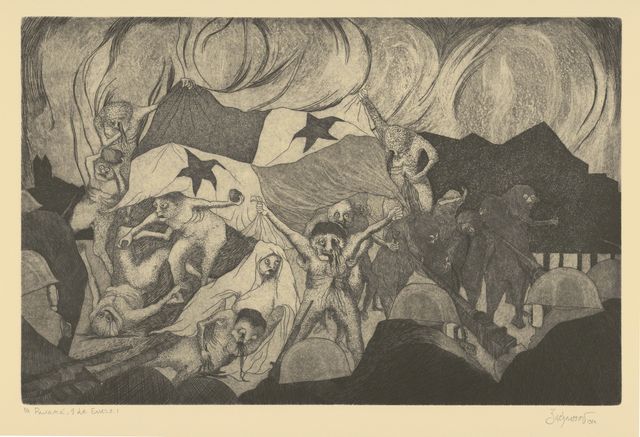
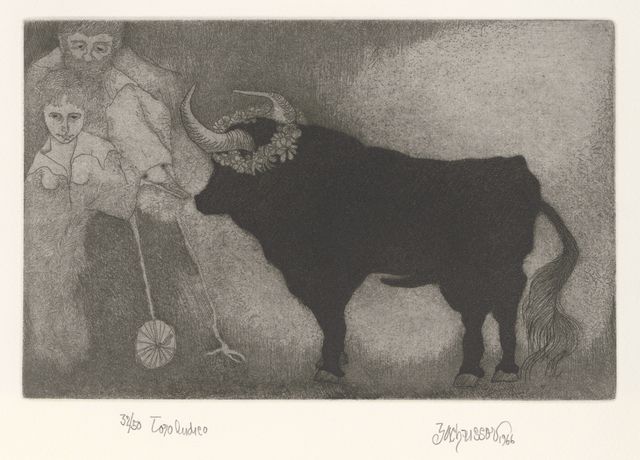
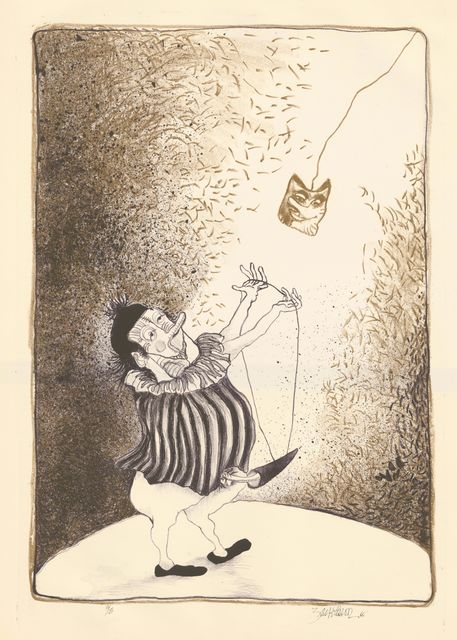
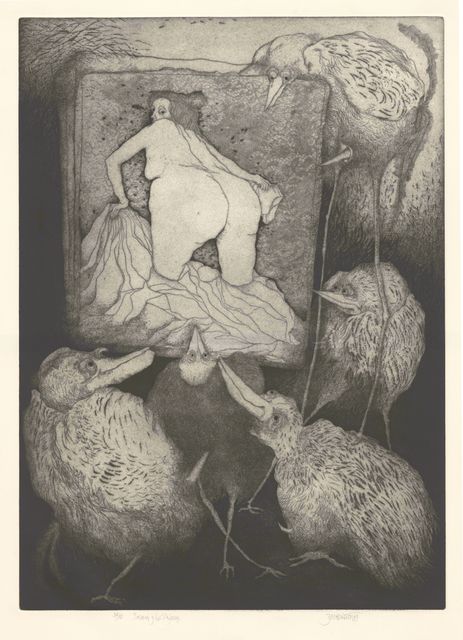
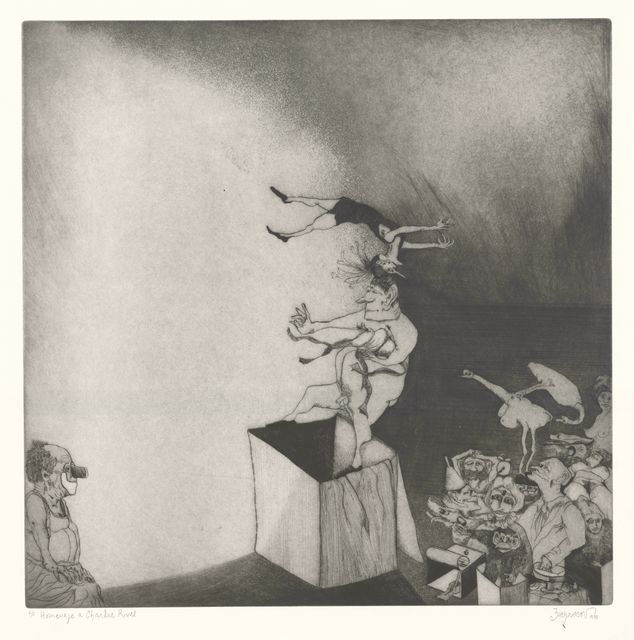
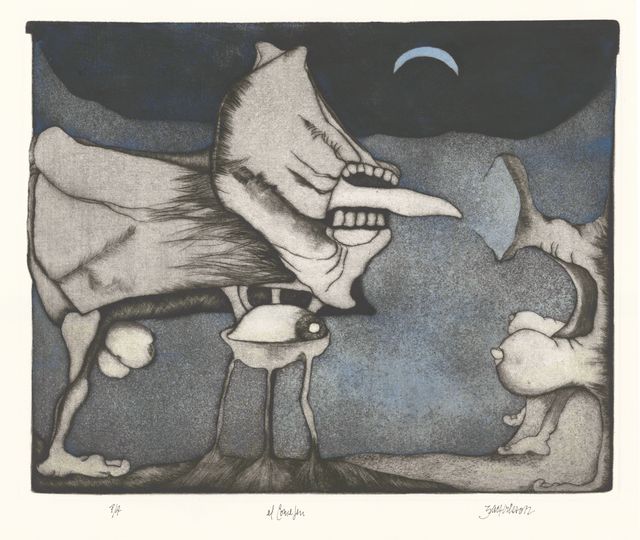
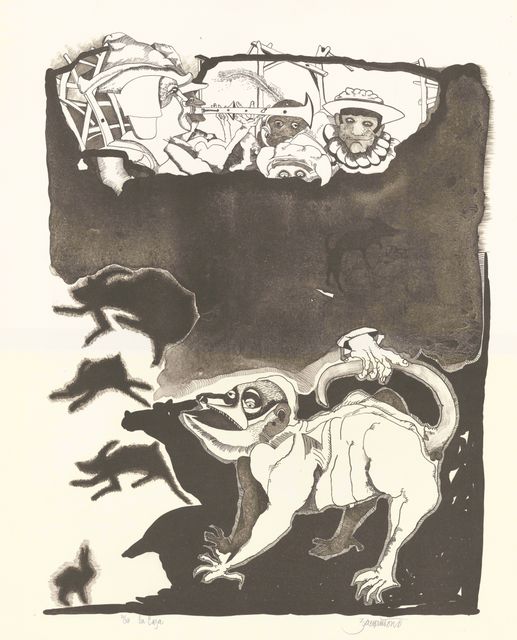
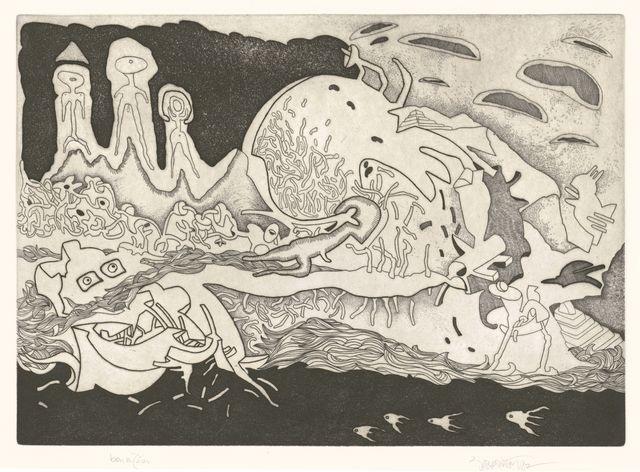
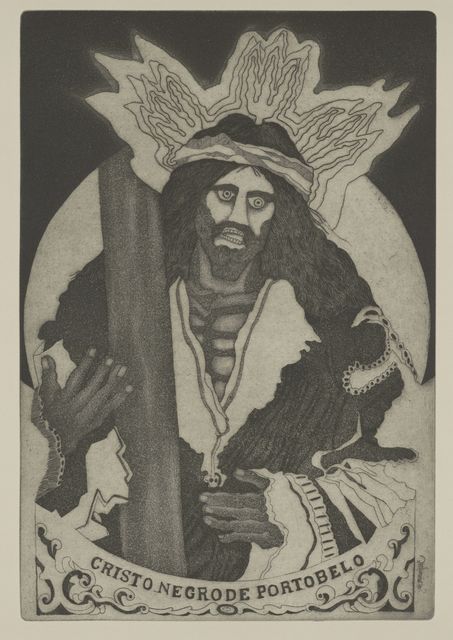
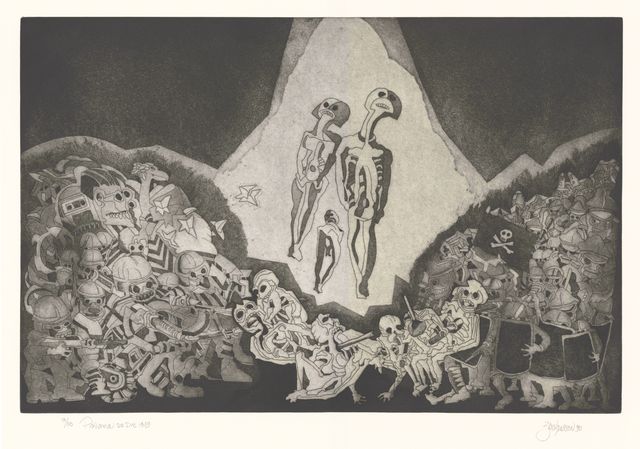
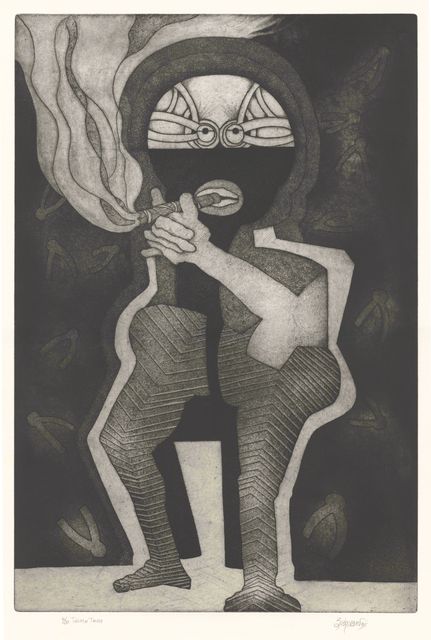
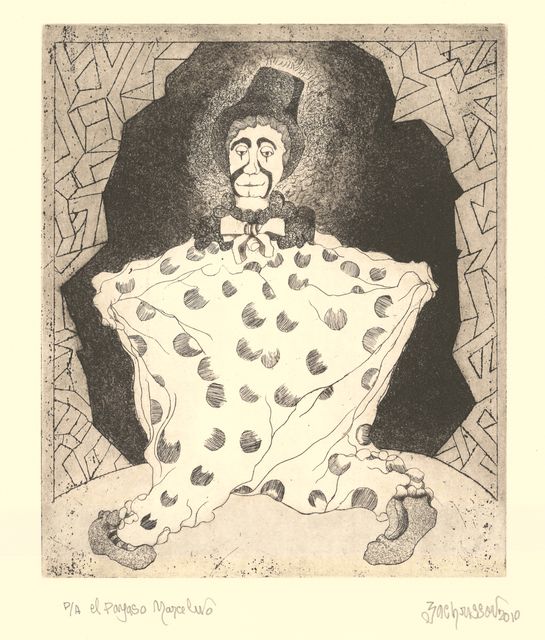
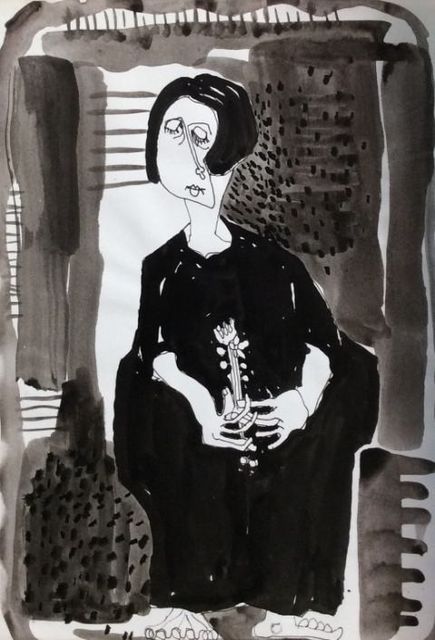
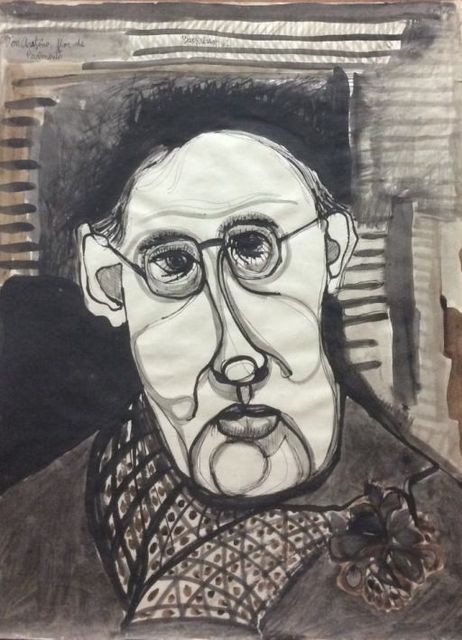
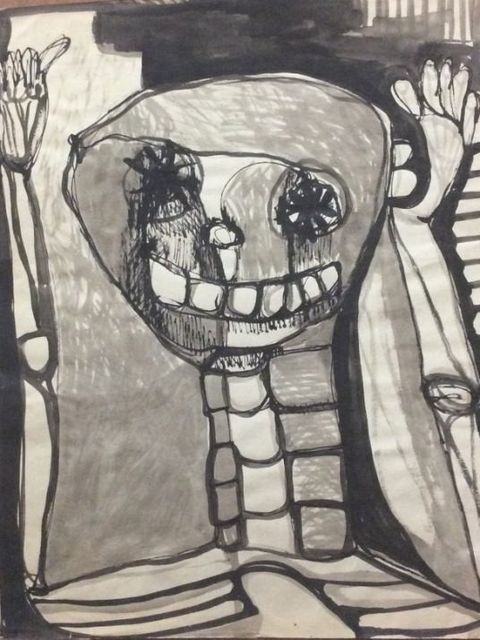
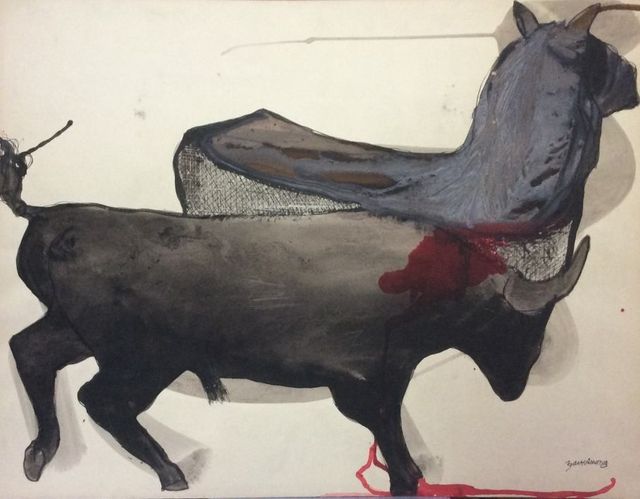
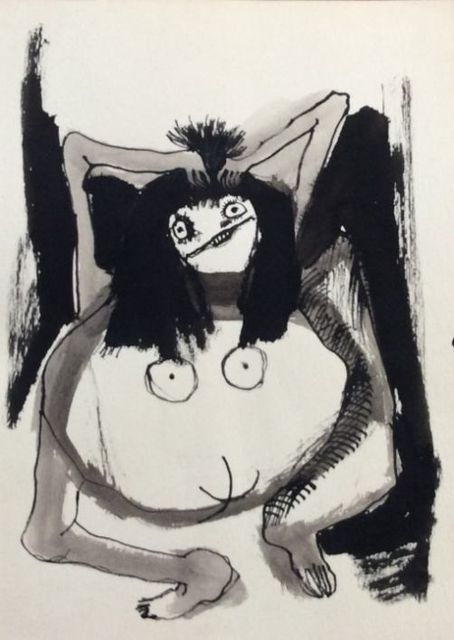
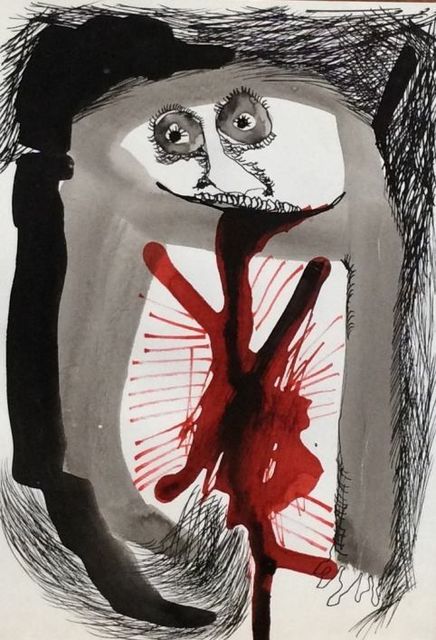
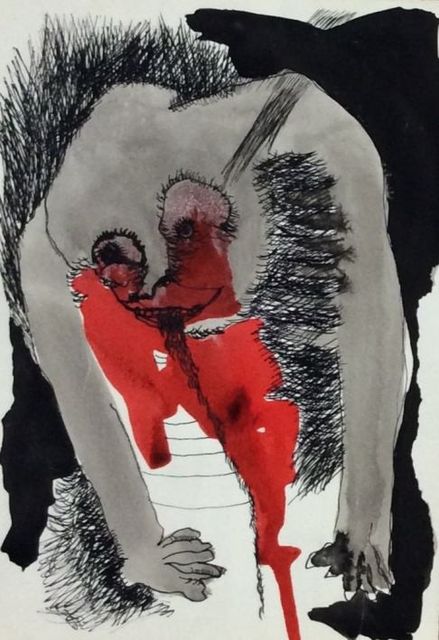
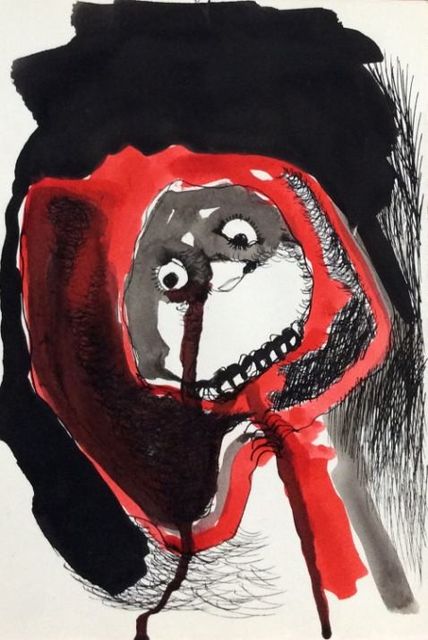
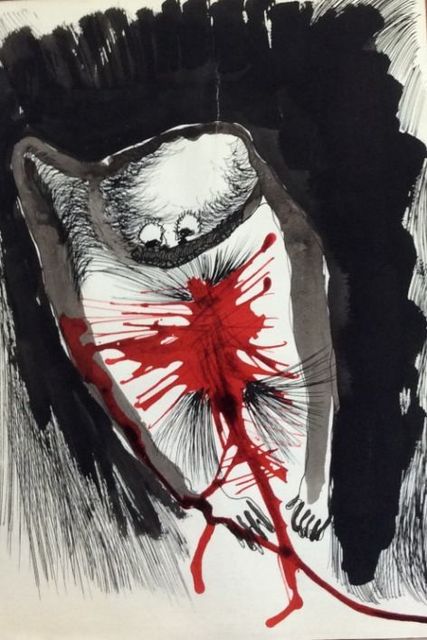
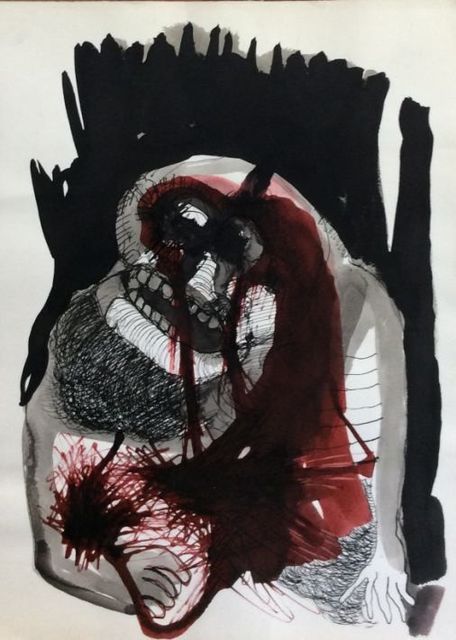
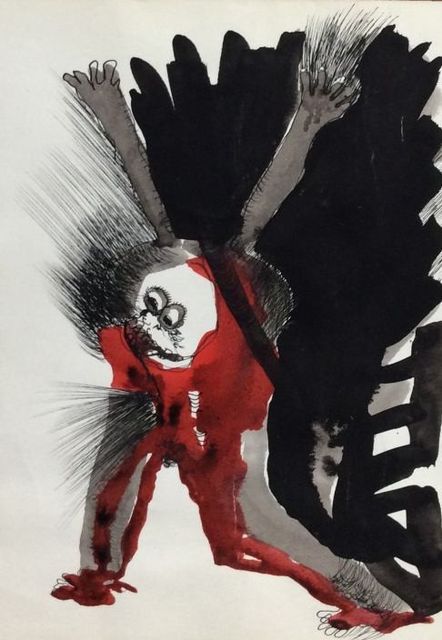
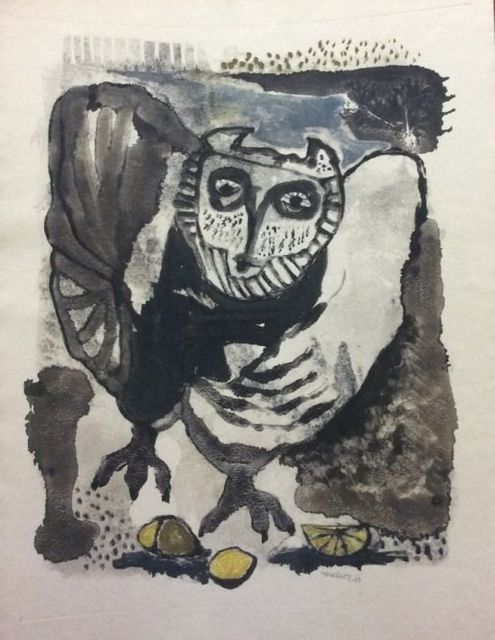
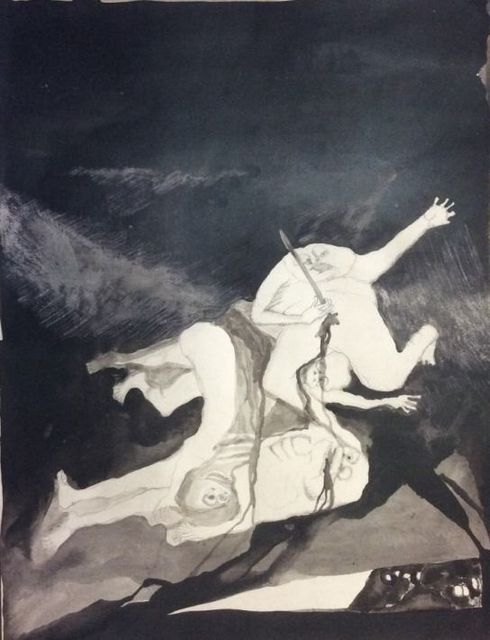
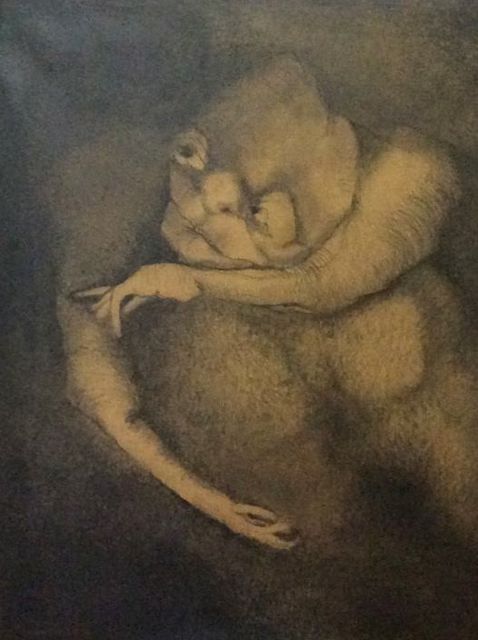
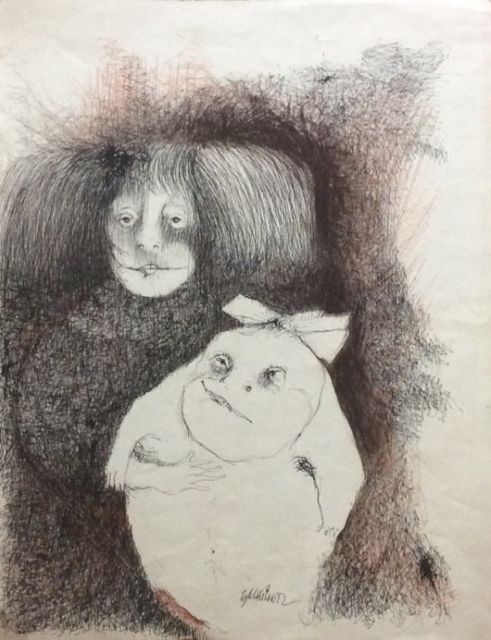
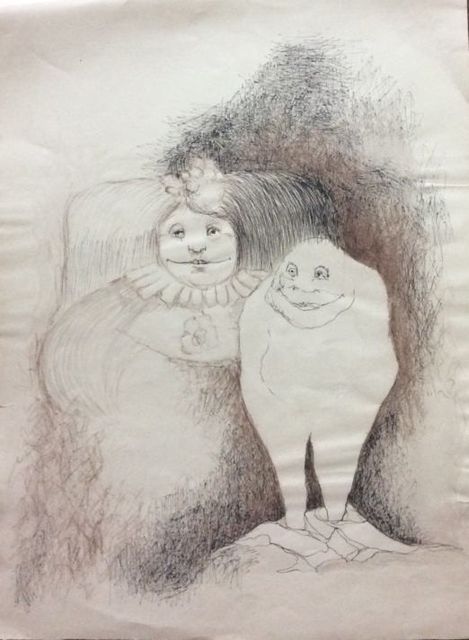
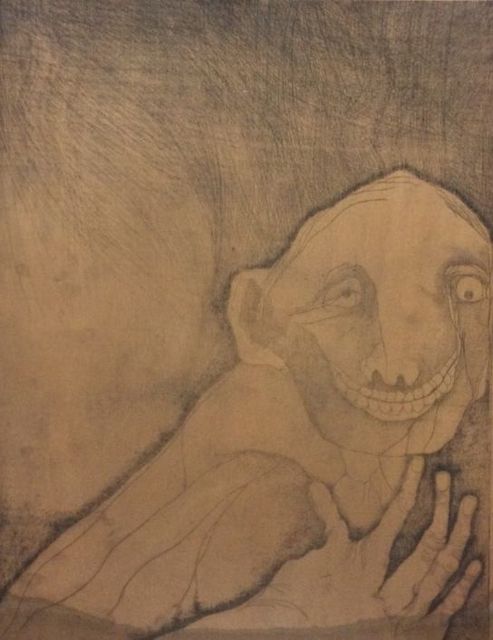
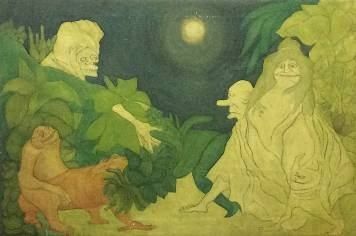
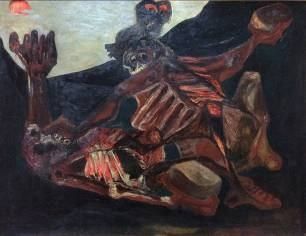
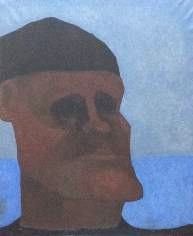
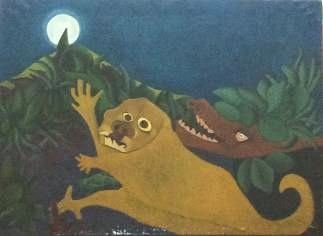
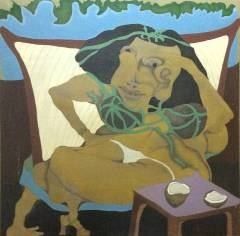
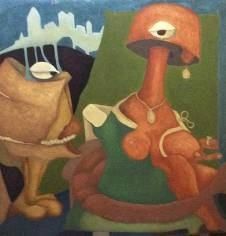
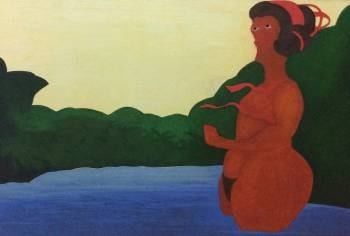
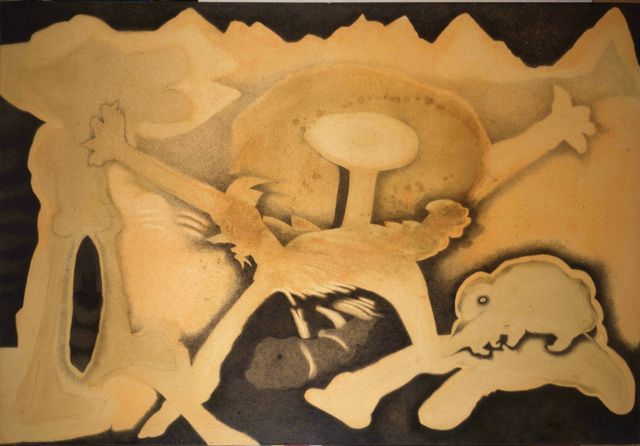
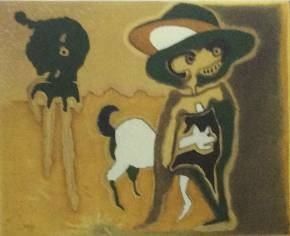
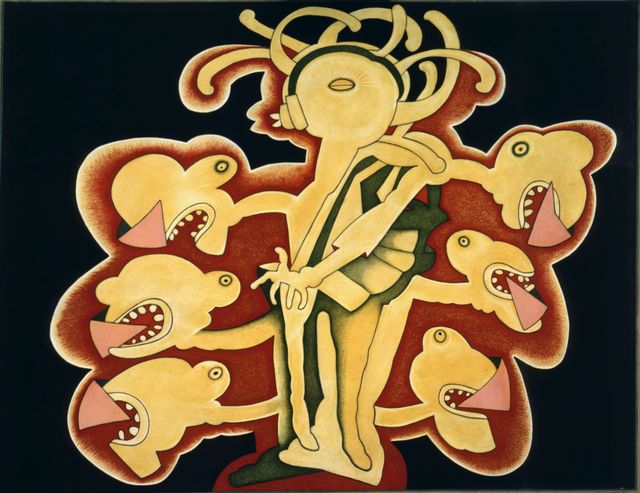
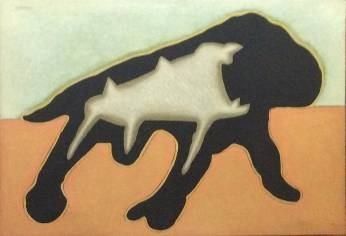
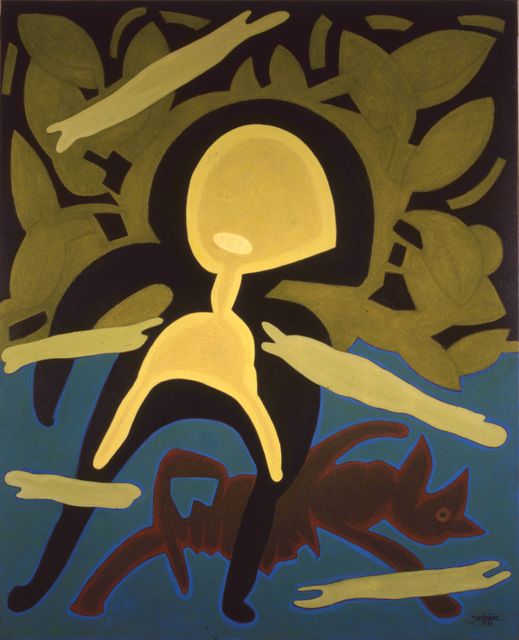
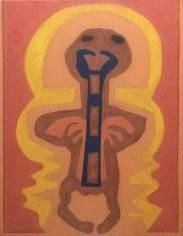
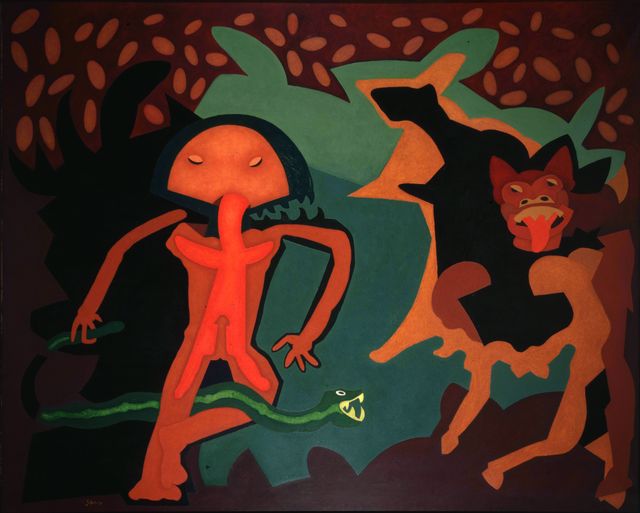
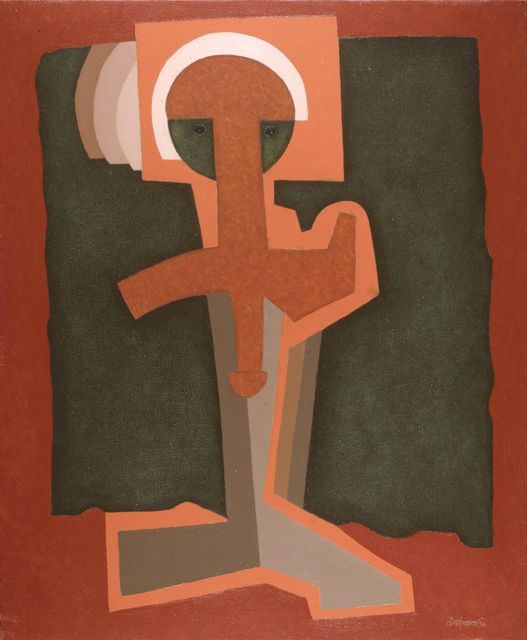
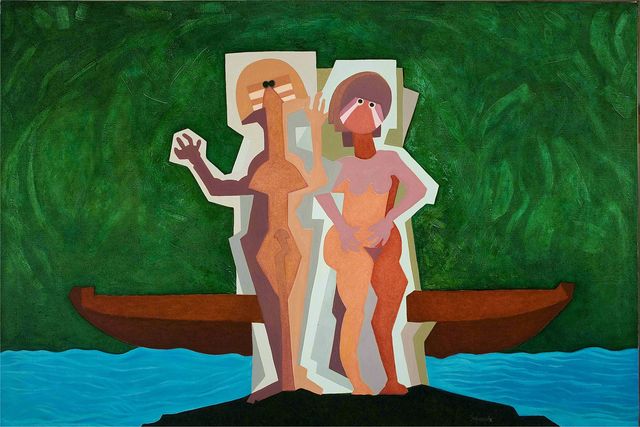
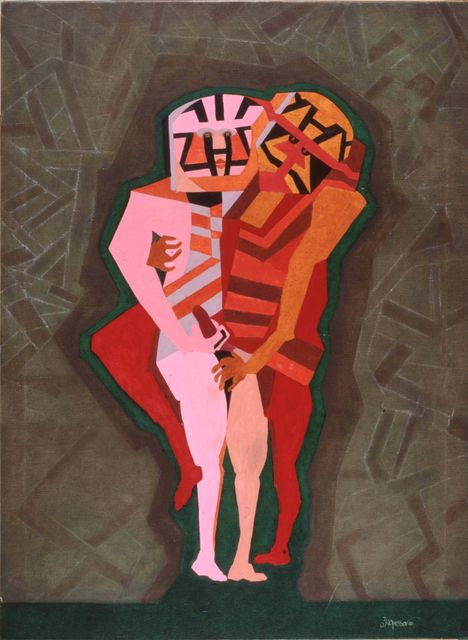
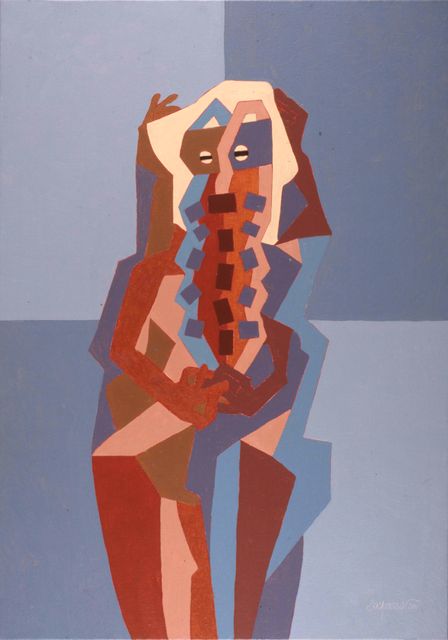
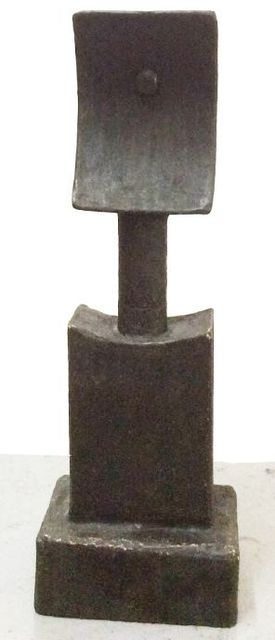
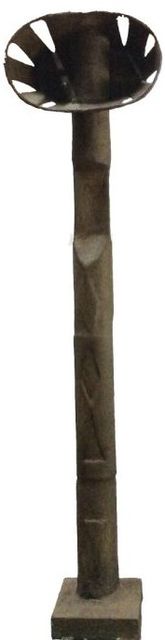
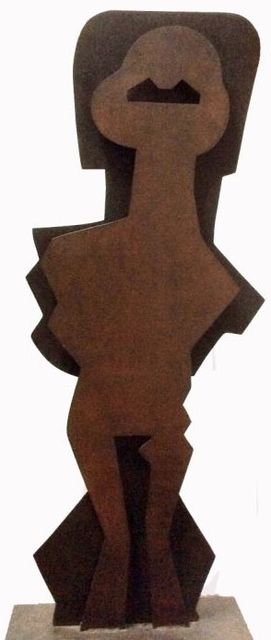
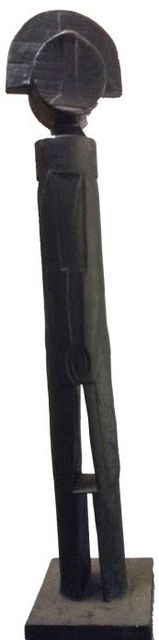
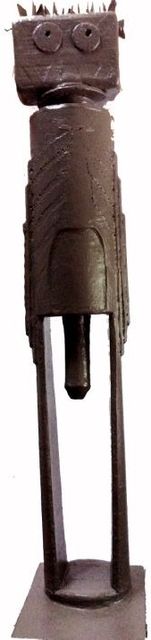
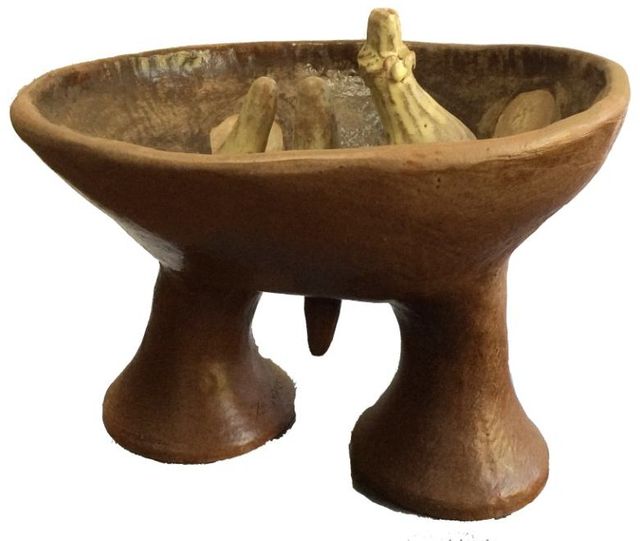
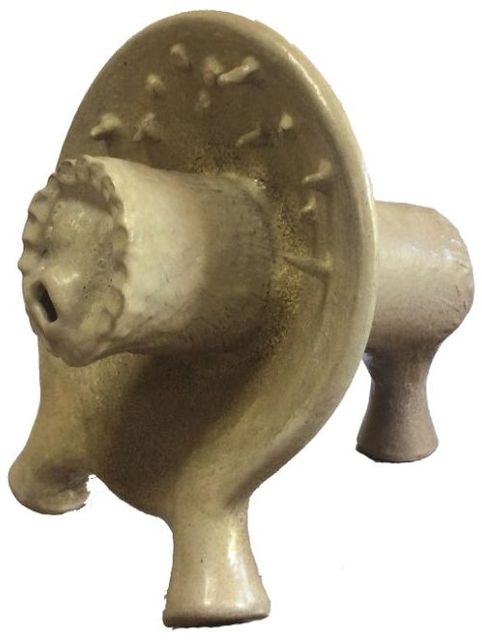
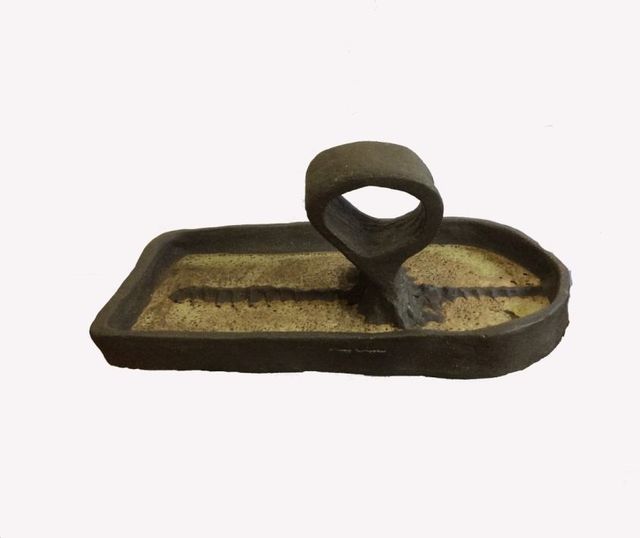
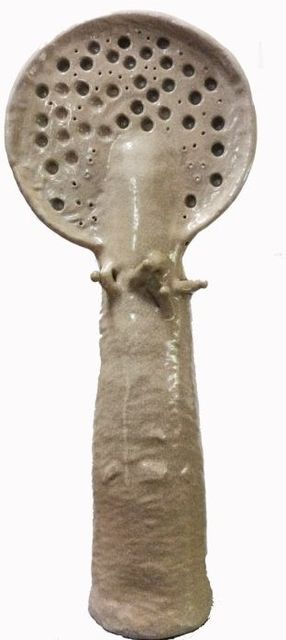
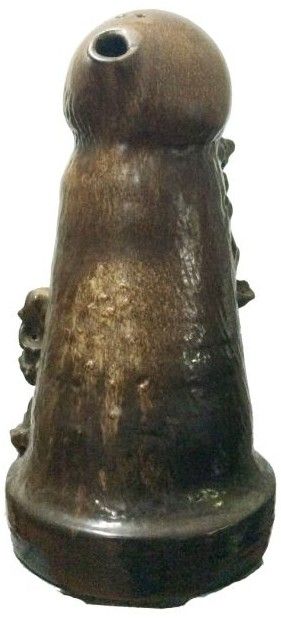
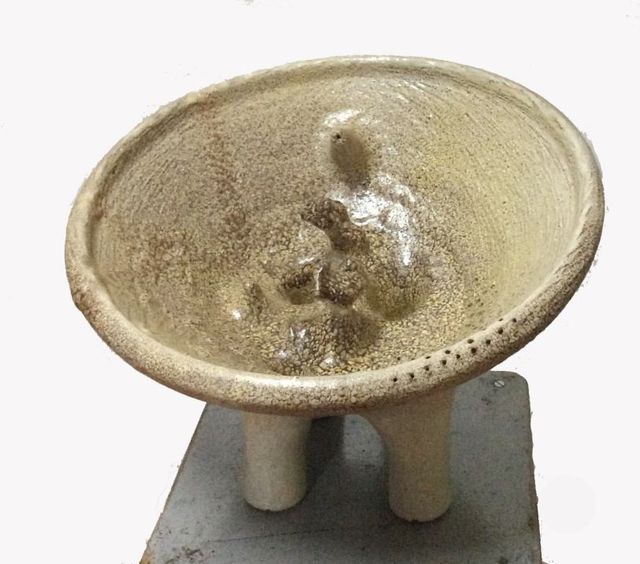
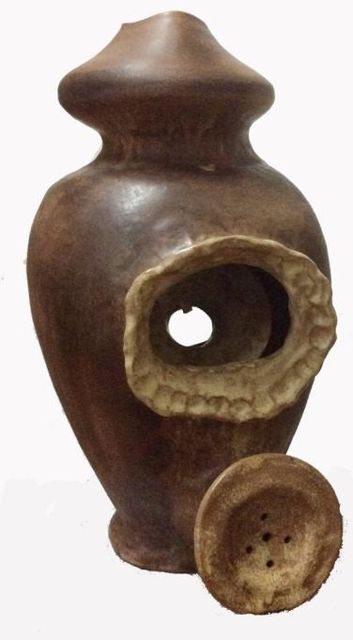
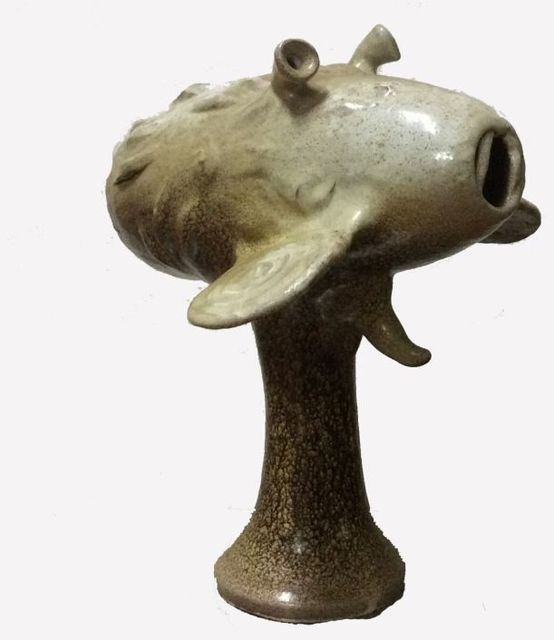
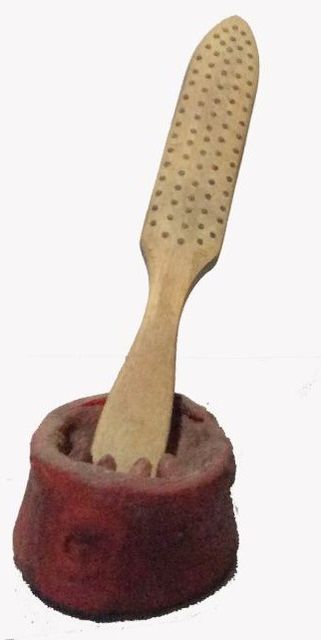
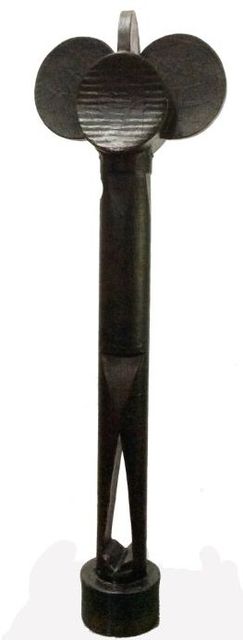
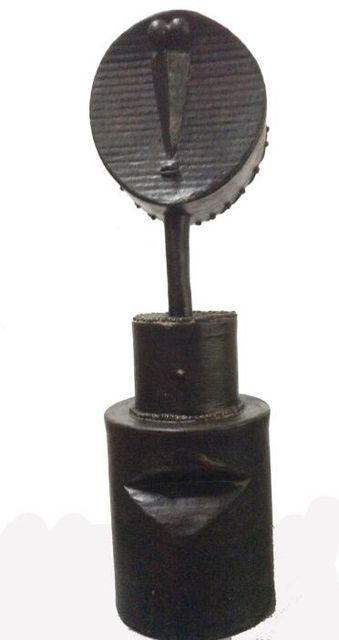
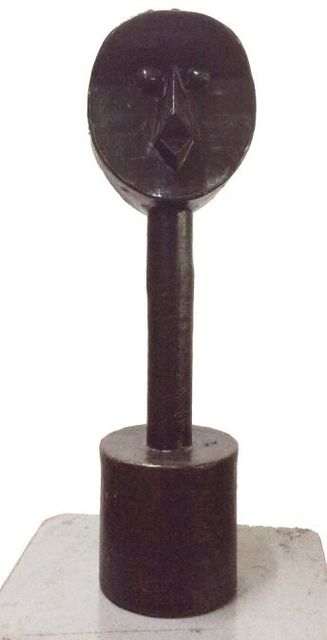
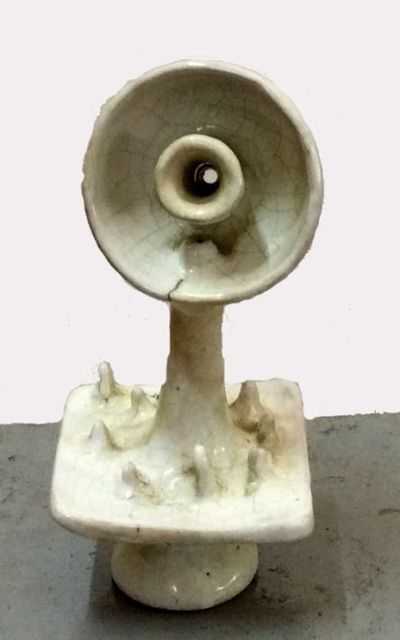
We are working to bring Julio Zachrisson’s complete legacy online, open to the public.
Collections and awards
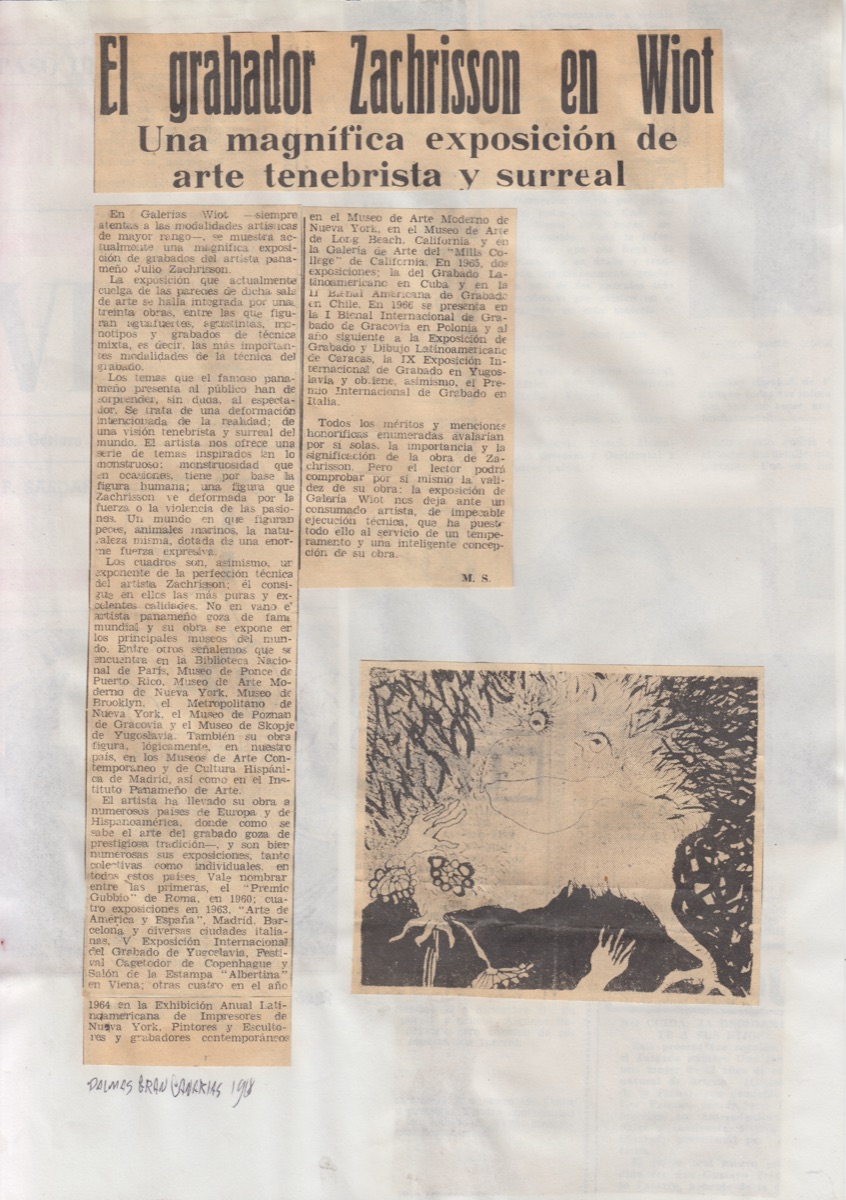
Julio Zachrisson’s work is held in more than twenty-five public collections on four continents.
Awards and honors
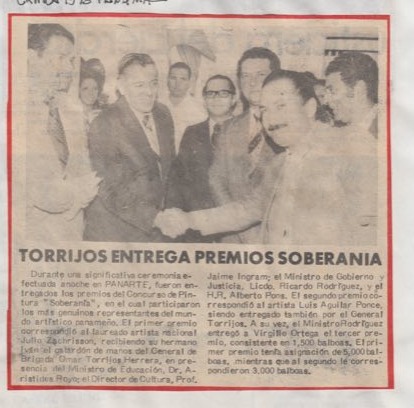
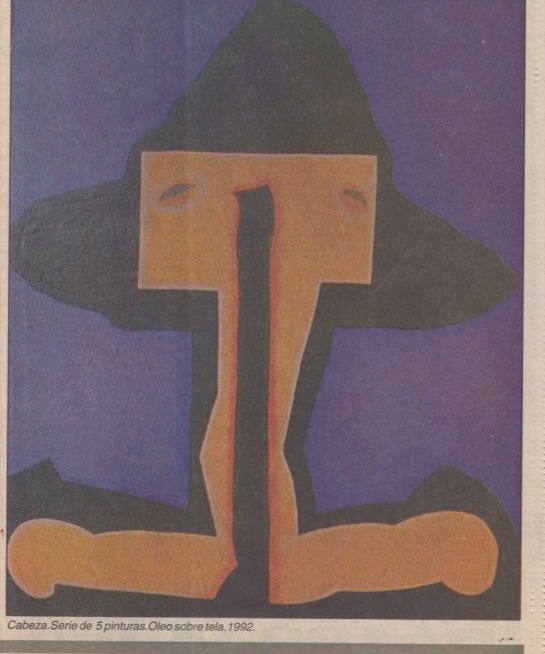
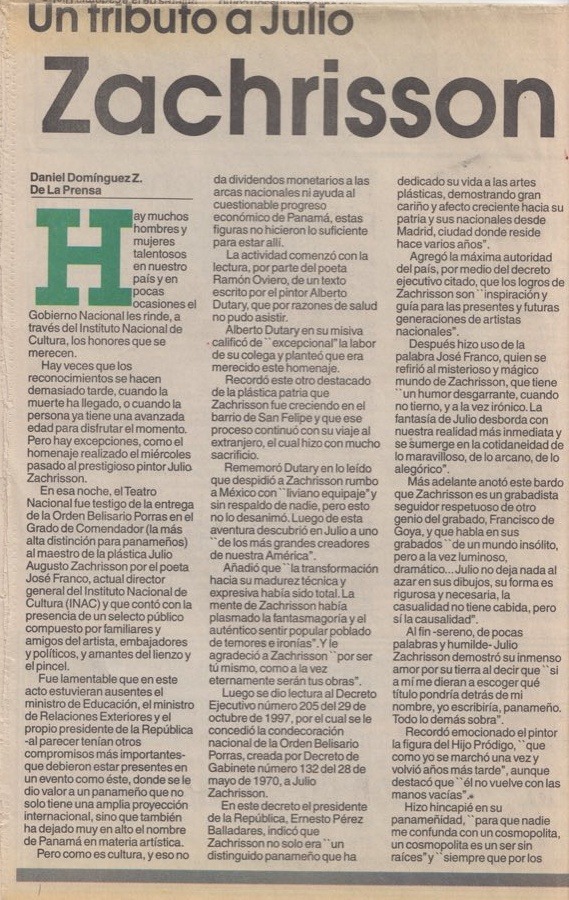
- 1962First Prize in Drawing, Salon of Hispanic-American Art Madrid
- 1964Second General Medal of Fine Arts, XIII Printmaking Salon Madrid
- 1967“Castro Gil” Prize, XIV Printmaking Salon Madrid
- 1975First Prize in Painting, “Soberanía” Competition Panama
- 1992Runner-up, VI Printmaking Prize, San Juan Biennial Puerto Rico
- 1993National Printmaking Competition, San Fernando Academy Madrid
- 1996“Aragón-Goya” Printmaking Prize (first edition) Zaragoza
- 1997Order of Belisario Porras, rank of Commander Panama
- 2006Order of Vasco Núñez de Balboa, Grand Officer Panama
Criticism
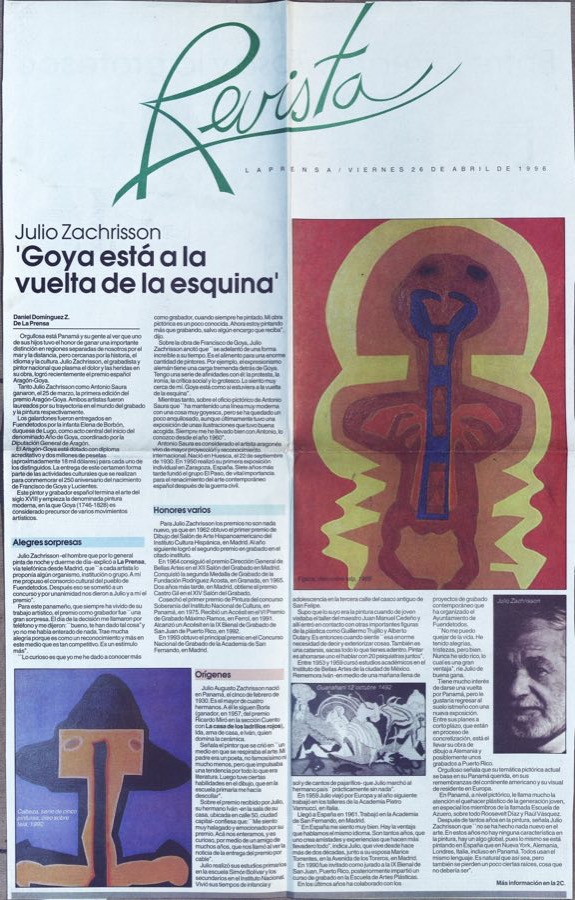
«Julio Zachrisson no es pintor panameño, es pintor.»
Julio Zachrisson is not a Panamanian painter; he is a painter. (translated from the Spanish)
Juan MalpartidaCuadernos Hispanoamericanos, 1998«Zachrisson es un venenoso, zumbón, alucinado humorista.»
Zachrisson is a venomous, mocking, hallucinated humorist. (translated from the Spanish)
José HierroPueblo, 1972«Uno de los más importantes, si no el más importante, de los grabadores de la España actual.»
One of the most important, if not the most important, printmakers in Spain today. (translated from the Spanish)
Gonzalo Torrente MalvidoSantander, 1981«Goya y Picasso no podrán nunca ser separados de su mundo. Ni Zachrisson tampoco.»
Goya and Picasso can never be separated from his world. Nor can Zachrisson. (translated from the Spanish)
A. M. CampoyABC, 1967«Uno de los grandes grabadores de esta época en América Latina y en la misma España.»
One of the great printmakers of this era in Latin America and in Spain itself. (translated from the Spanish)
Guillermo TrujilloLa Prensa, 1996In the press
- El País · Dec 18, 2021Julio Zachrisson, entre ambos mundos
- ABC · Dec 18, 2021Un panameño en la corte del rey Goya
- La Prensa (Panamá) · Dec 18, 2021Muere el maestro Julio Zachrisson
- La Estrella de Panamá · Dec 18, 2021Fallece el maestro Julio Zachrisson
- Variety · Apr 5, 2025The documentary The Sorcerer
The Outsider
- 1927
Panama
The origin: the barrio, the myth and the street.
- 1927
Born in Panama City
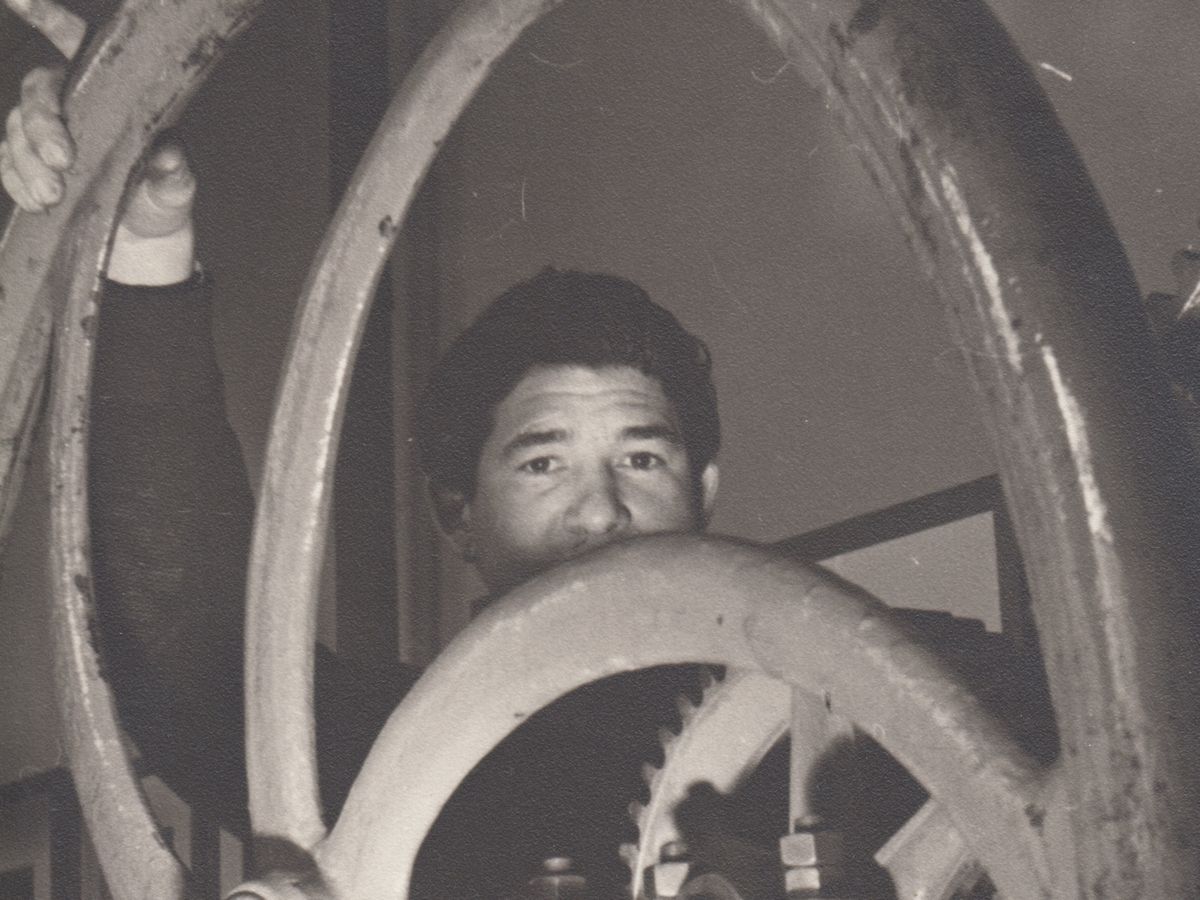
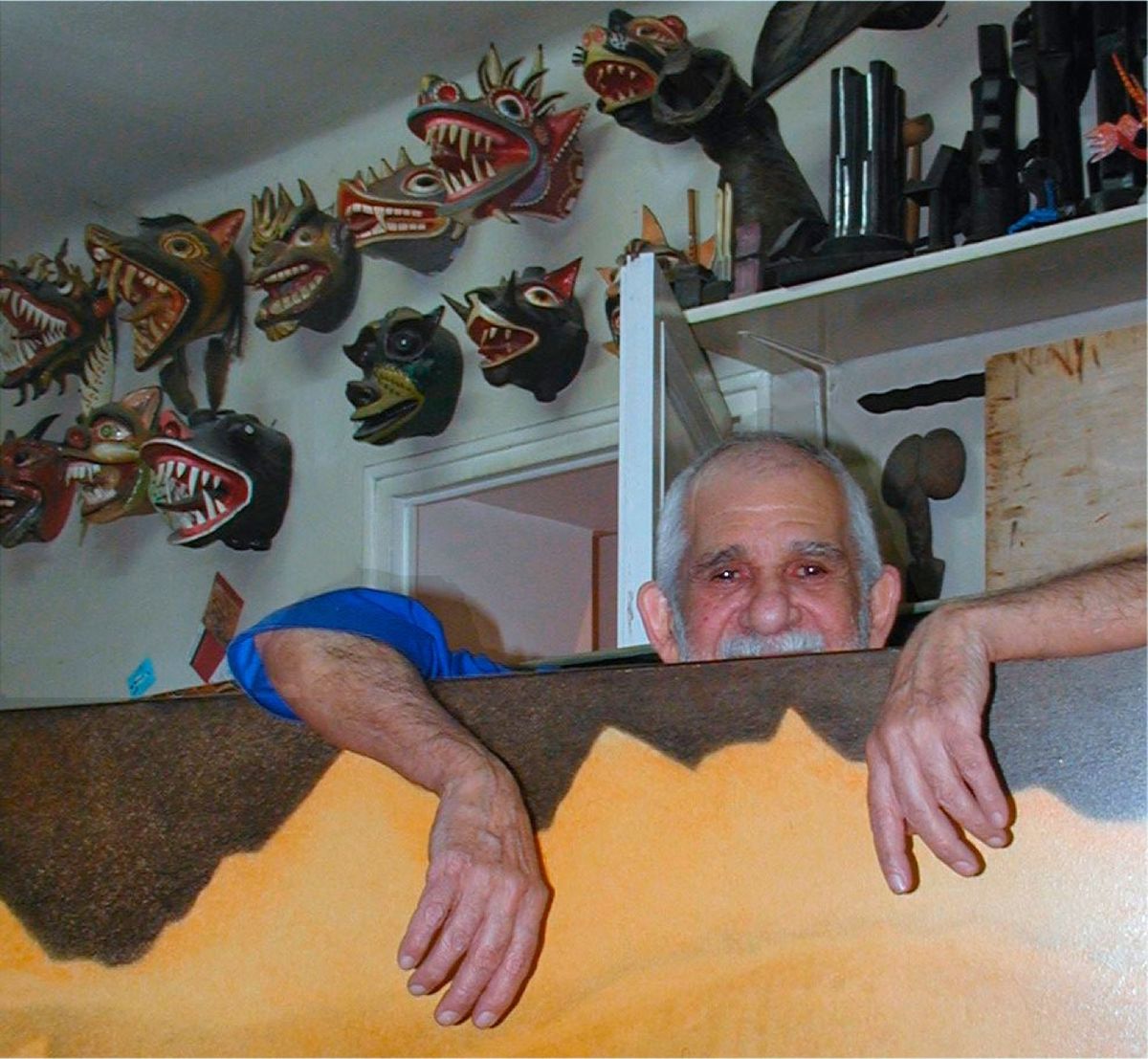
Julio Augusto Zachrisson is born on February 5, 1927, in Panama City. For years his birth year was given as 1930: Julio himself moved his date to enter an age-limited competition, submitting Brujo Cirilo, and won it. The press and catalogs repeated 1930 ever after; the true year is 1927.
- 1951
Escuela Nacional de Pintura
First artistic studies under master Juan Manuel Cedeño. “That workshop was a humane space; that period marked me,” he would recall.
- c. 1953
Central America on foot
He leaves Panama and travels through El Salvador and Guatemala on his way to Mexico: the 1953 group shows of Panamanian artists are his first documented trace abroad.
- 1953
Mexico
Printmaking as craft and as cause.
- 1953
“La Esmeralda”
He settles in Mexico City: studies at “La Esmeralda” (INBA), where he learns printmaking, alongside José Luis Cuevas, Alberto Gironella, Juan Soriano and the Coronel brothers.
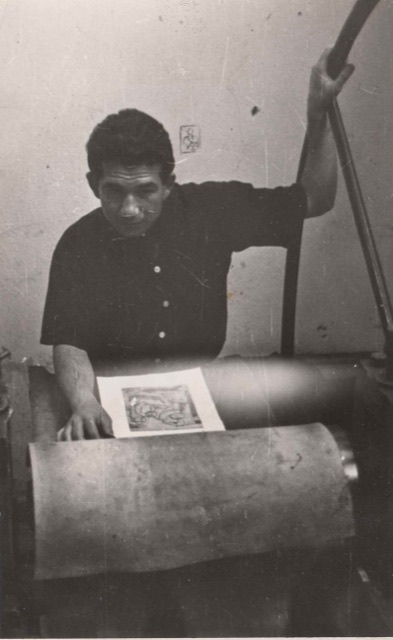 Julio at the press, Mexico, 1950s.
- 1950s
Isidoro Ocampo’s workshop
He works in Isidoro Ocampo’s printmaking workshop, in the tradition of José Guadalupe Posada, as Julio himself told it.
- 1958
The first plates
The Mexican etchings portray working-class life with muralist gravity: cafés, workers, shoeshine boys, mothers.
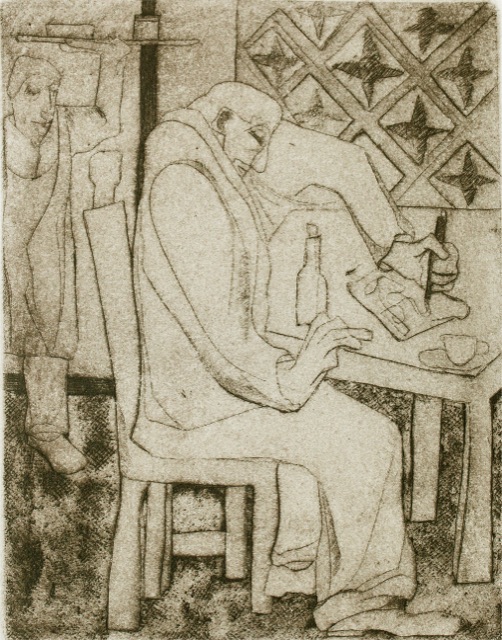 The first plates
- 1960
Europe
Madrid: the maturing of a language of his own.
- 1960
First solo exhibition
First solo show at the University of Panama; he begins his European journey in Italy at the workshops of the Accademia Pietro Vannucci in Perugia.
- 1961
Madrid for good
He settles in Madrid and joins the printmaking workshop of the Real Academia de Bellas Artes de San Fernando. The encounter with Goya’s graphic work seals his fate: the city will be his home and workshop for six decades.
- 1962
Enanos
The court of beloved monsters, in open conversation with Goya. From that year comes Llanto por un Toro, which the Metropolitan Museum in New York acquires in 1968.
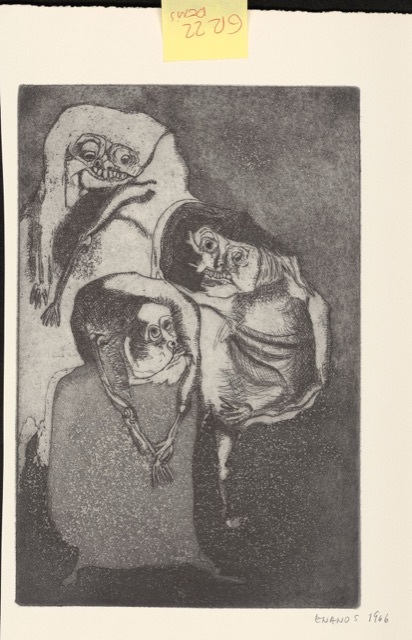 Enanos
- 1964
MoMA exhibits him
He takes part in “Contemporary Painters and Sculptors as Printmakers” at MoMA, New York, which holds works of his such as Muerte de Chimbombó. That year, the martyrs of January 9 enter his work.
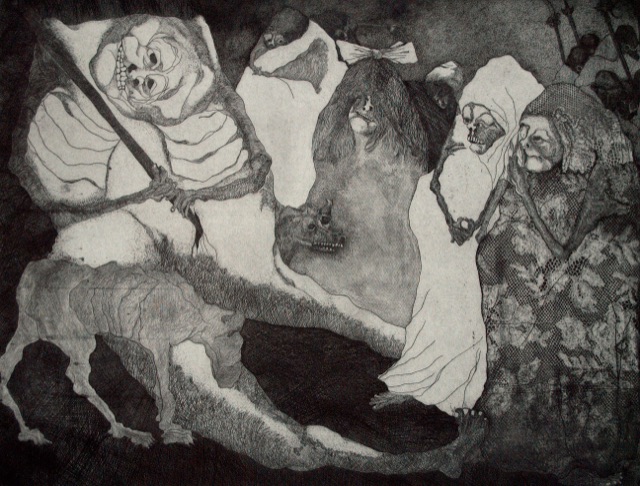 MoMA exhibits him
- 1965
Retrato
The early etching of the lady and the bird: European tradition invaded by his own bestiary.
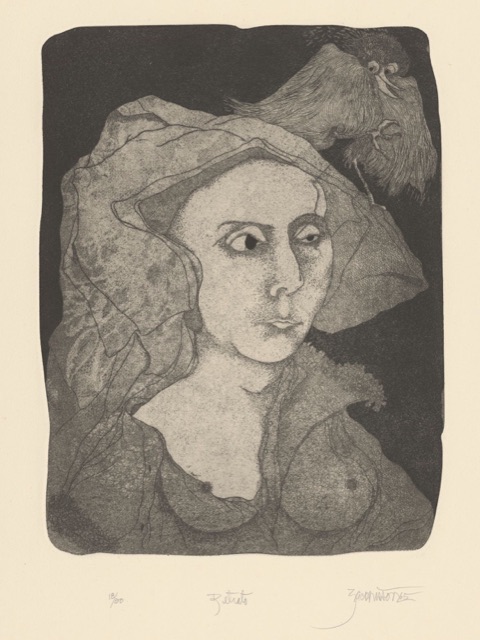 Retrato
- 1970
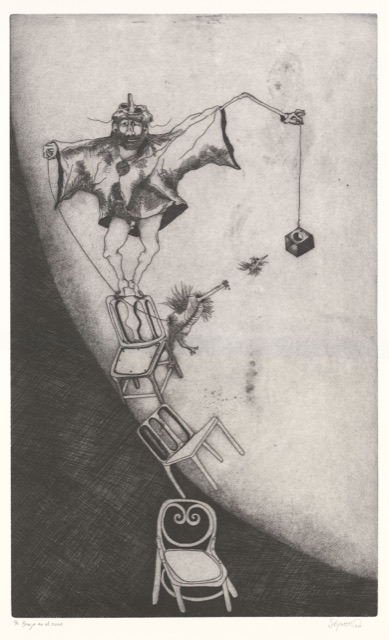
The sorcerer at his circus
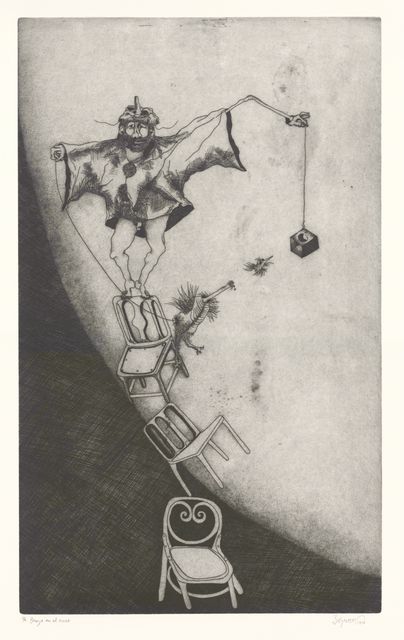
Brujo en el Circo: the tightrope walker, the figure that names a whole family of prints.
 The sorcerer at his circus
- 1971
São Paulo and Venice
He takes part in the XI São Paulo Biennial and receives the Libero Incontro graphics prize in Venice.
- 1975
Soberanía Prize
First Prize in Painting, Soberanía Competition, Instituto Nacional de Cultura, Panama. The following year, after years devoted to printmaking and drawing, he returns to painting.
- 1976
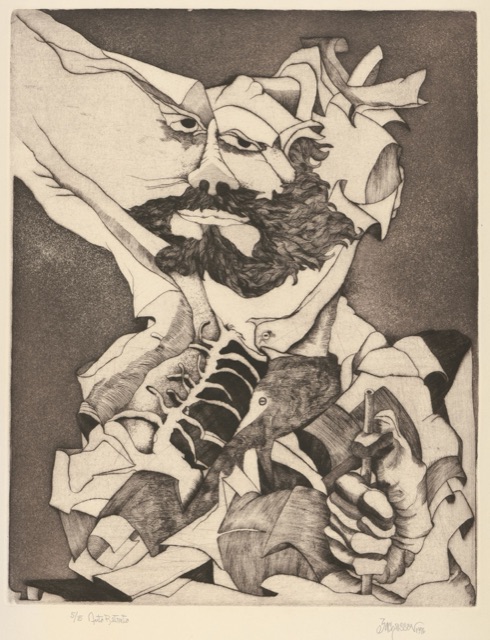
Autorretrato
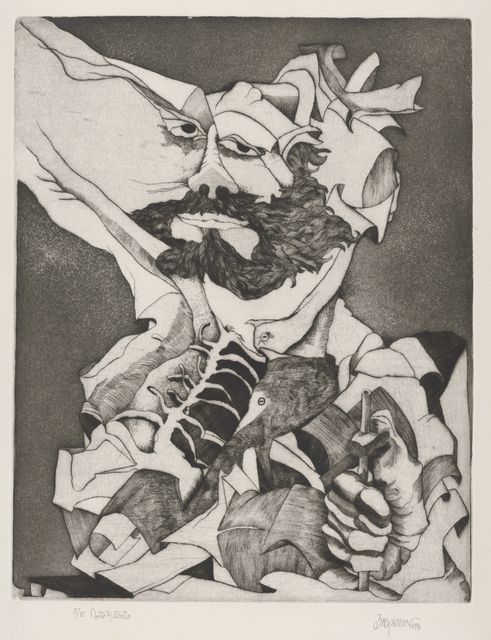
The year he returns to painting, he etches himself: the body as workshop.
 Autorretrato
- 1992
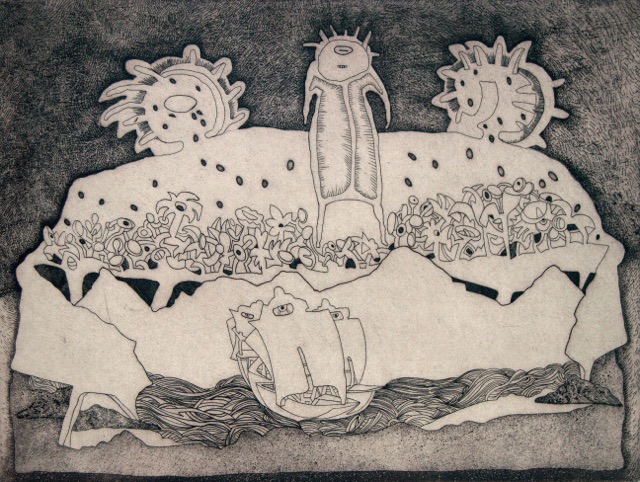
Guanahaní and San Juan
For the Quincentennial he issues as a portfolio the series Guanahaní, 12 de octubre de 1492, etched ten years earlier, and receives the runner-up Printmaking Prize at the San Juan Biennial, Puerto Rico.
 Guanahaní and San Juan
- 1993
Academy Prize
National Printmaking Prize of the Real Academia de Bellas Artes de San Fernando, Madrid, whose Calcografía Nacional has published his work since that year.
- 1994
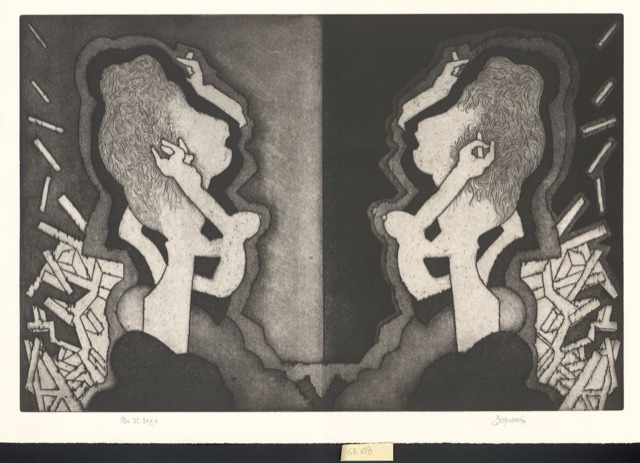
El Espejo
Identity and its double, in one of the major etchings of the decade.
 El Espejo
- 1996
Aragón-Goya Prize
On the 250th anniversary of Goya’s birth, the Government of Aragon awards him the first “Aragón-Goya” Printmaking Prize: Goya’s homeland honors the tropics’ own Goyaesque master.
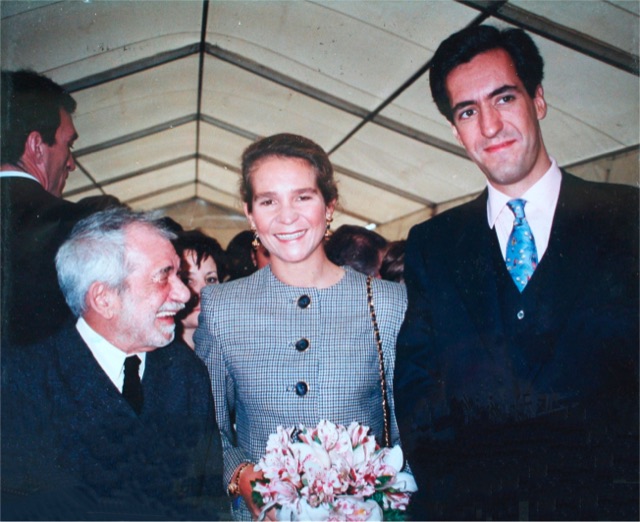 Award ceremony, Zaragoza, 1996.
- 2006
Vasco Núñez de Balboa
The Government of Panama decorates him with the Order of Vasco Núñez de Balboa.
- 2015
“Imprescindible Zachrisson”
Printmaking retrospective at the Museo de Arte Contemporáneo de Panamá, with 52 works from his personal collection. That year, the Cine Animal team begins visiting him in Madrid.
- 2018
The Estate
The work of preserving and showing the work begins.
- 2018
The Zachrisson estate is born
Three years before the master’s passing, the project to preserve and share his work begins, alongside the filming of the documentary The Sorcerer: Julio Zachrisson.
- 2020
“Un artista entre dos orillas”
The Museo de Arte Contemporáneo de Madrid (Conde Duque) dedicates to him the largest retrospective of his lifetime, curated by his nephew, writer Marcos Giralt Torrente, and artist Denis Long.
- 2021
Passes away in Madrid
He passes away on December 18 in his adopted city, ten days after his wife, Marisé Torrente Malvido. His copper plates are kept at the Calcografía Nacional of the Real Academia de San Fernando.
- 2022
The legacy spans the world
The Museo del Grabado Español Contemporáneo (Marbella) receives 140 etchings, and MAC Panama receives over 400 works and sketches by bequest, today the largest institutional body of his work, along with the posthumous retrospective “Un artista entre dos orillas” (2022–23).
- 2025
The Sorcerer reaches theaters
The documentary The Sorcerer: Julio Zachrisson, about his life, premieres in Panama on October 30: Audience Awards at IFF Panama and CRFIC, and the IDA Award for Best Original Music Score.
- 2027
Zachrisson 100
February 5, 2027 marks 100 years since his birth.
182 facts from the archive (exhibitions, awards, dated work), each with its verbatim quotation and its facsimile.
See the full record →